
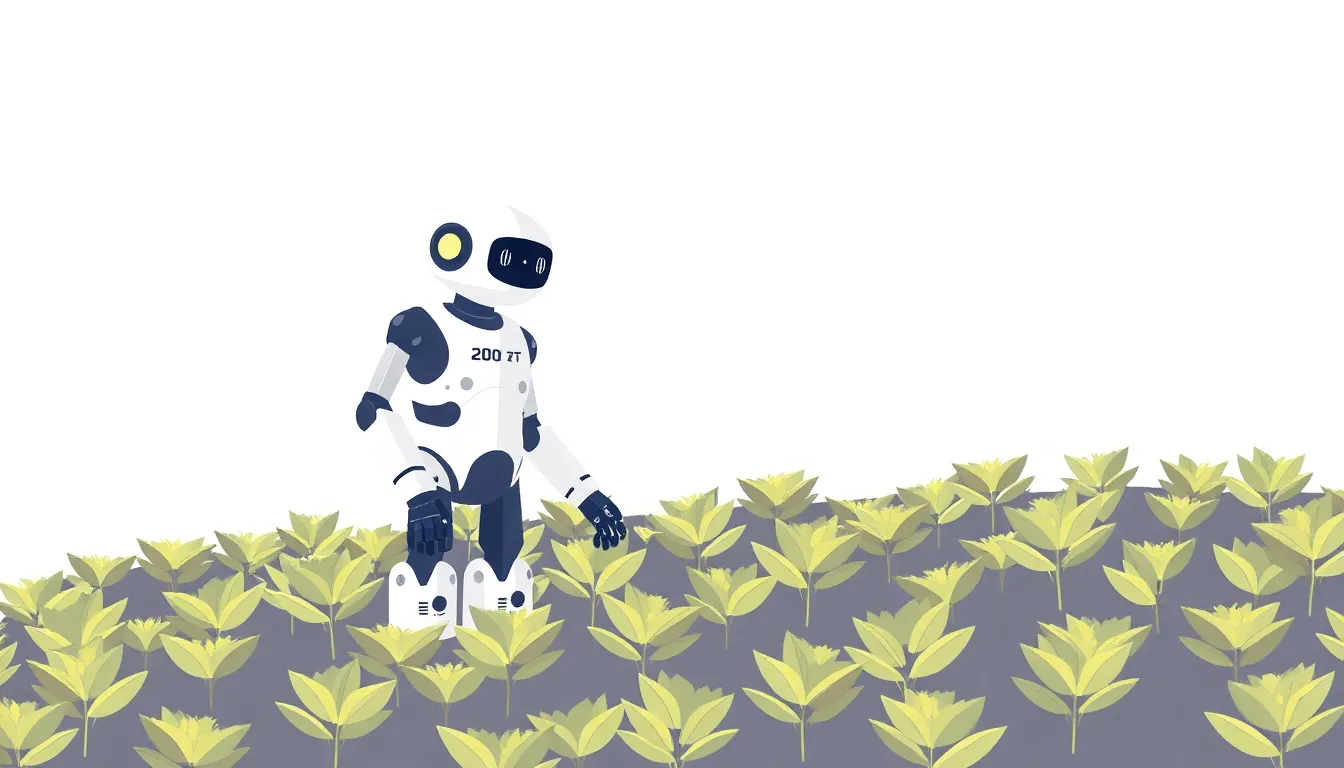
Humanoid Robots in Tea Farming: Real-World AI Testing
From Laboratory Prototypes to Working Fields
The transition from controlled lab environments to real-world applications represents a critical milestone in robotics development. China’s recent initiative in Fujian Province demonstrates this shift by deploying humanoid robots in actual tea harvesting operations. Unlike typical product demonstrations, this field trial exposes robots to genuine environmental challenges—uneven terrain, variable weather conditions, and inconsistent working surfaces. Tea gardens present a particularly demanding testing ground because they lack the uniformity of factory floors or warehouse settings. Leaves vary in size, maturity, and accessibility, requiring sophisticated perception and manipulation capabilities. This practical approach mirrors the challenges faced in developing smart cooking robot systems, where adaptability to different ingredients and cooking conditions proves essential. By subjecting humanoid systems to agricultural complexity, developers gather invaluable data on how robots perform when faced with unpredictable scenarios. This methodology pushes beyond scripted demonstrations into territory where robots must genuinely problem-solve in real time, establishing more meaningful benchmarks for practical deployment.
Why Agricultural Work Tests AI Capabilities
Tea production involves multiple stages—leaf identification, selective harvesting, transport across difficult terrain, and processing through drying and roasting. Each stage demands different skill sets from robotic systems. Unlike factory work with standardized specifications, agricultural tasks involve constant variables: sunlight changes lighting conditions, moisture affects grip requirements, and plant biology creates unpredictable leaf placement. These environmental factors stress the same capabilities needed in smart pressure cooker technology or smart food processor systems, where sensors must interpret diverse inputs and adjust operations accordingly. Humanoid robots operating in tea gardens must balance perception, dexterity, and physical stability simultaneously. Their vision systems must distinguish ripe leaves from unripe ones under changing light. Their grippers must handle delicate leaves without damaging them while maintaining enough force to navigate muddy, sloped terrain. Success in these conditions suggests genuine progress toward general-purpose AI systems capable of adapting to complex, human-centered work environments rather than remaining confined to controlled industrial settings.
The Road to Practical Robot Integration
China’s World Humanoid Robot Games expansion to 32 competitive events reflects growing confidence in robotics readiness for diverse applications. The scenario-based categories—homes, hospitals, factories, and emergency response—indicate a shift toward testing real-world utility rather than pure athletic performance. Agricultural trials serve as valuable stepping stones in this progression, providing crucial data on how robots handle unstructured environments. The challenge of integrating humanoid robots into human workspaces remains more complex than replacing human labor entirely. Successful implementation requires systems that complement existing workflows, adapt to unexpected changes, and maintain safety around human workers. Much like smart cooking robot or smart food processor innovations that enhance rather than eliminate human decision-making, practical humanoid deployment should focus on augmenting human capabilities. The tea farming trials examine whether robots can achieve the flexible problem-solving that characterizes genuine human work. Success here validates the hypothesis that with sufficient environmental training data and adaptive algorithms, robots can transition from laboratory prototypes to productive field assets, eventually supporting workers across agriculture, healthcare, and service industries.
Source: China’s Humanoid Robots Become Tea Farmers
Real-world AI testing in tea farms often pushes robots cooking processors to their absolute operational limits.
We are a participant in the Amazon Services LLC Associates Program, an affiliate advertising program designed to provide a means for sites to earn advertising fees by advertising and linking to Amazon.com. As an Amazon Associate I earn from qualifying purchases. We also participate in other affiliate programs.